

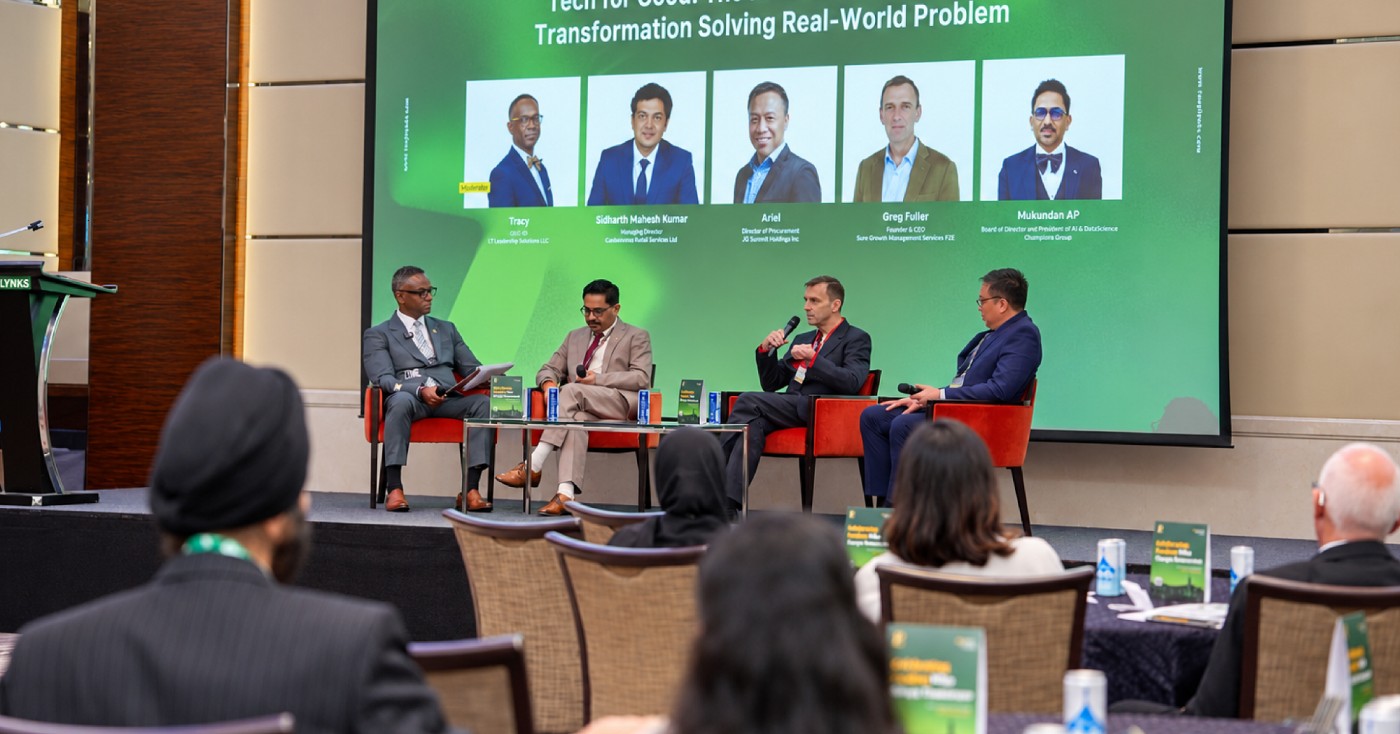
Healthcare leadership turns expertise into impact through sound judgment, collaboration, innovation, learning, and meaningful contributions to better care.
Healthcare expertise is built through knowledge, experience, professional responsibility, and the ability to make decisions in situations where the consequences can matter greatly. But expertise alone does not necessarily create meaningful impact. What matters is how that knowledge is applied, how decisions influence others, and whether professional experience contributes to better outcomes and stronger systems.
Healthcare leadership therefore involves more than holding a senior position. It requires professionals to connect expertise with judgment, communication, innovation, and responsibility. Doctors, nurses, caregivers, researchers, healthcare startups, hospitals, clinics, and public health professionals can all contribute to the way healthcare develops.
At LoopLynks Events, we recognise this broader understanding through our Healthcare Awards. Our platform creates opportunities to acknowledge professionals and organisations whose work reflects leadership, innovation, care quality, dedication, and long-term contribution. Conversations across healthcare conferences can similarly create opportunities for professionals to exchange knowledge and consider how expertise can be applied to the challenges facing healthcare.
Expertise Becomes Valuable Through Application
Knowledge has value, but its practical application is what allows it to create an impact.
Healthcare professionals regularly work in environments where decisions require careful consideration. Expertise can help professionals understand a situation, but leadership also requires the ability to determine what action is appropriate within that context.
This can involve clinical knowledge, organisational understanding, research, technology, or public health experience. Different areas require different forms of expertise, but the underlying principle remains similar. Professionals need to understand not only what they know, but how that knowledge can be used responsibly.
This is particularly important when considering healthcare innovation. New approaches and technologies can create possibilities, but their value ultimately depends on how effectively they address real needs and contribute to healthcare practice.
Leadership Requires Sound Judgment
Healthcare leaders often have to make decisions in complex environments.
Information may be incomplete. Different priorities may compete. Teams may need direction. Patients and communities may have different needs. Organisational responsibilities may also influence the choices available.
In these situations, expertise provides a foundation, but judgment determines how that expertise is applied.
At LoopLynks Events, our Healthcare Awards consider qualities including vision, dedication, ethical decision-making, consistency under pressure, innovation, and the ability to influence healthcare systems. These qualities reflect a broader understanding of leadership in which professional excellence is connected with responsibility.
Strong healthcare leadership is therefore not simply about knowing more. It is about using knowledge thoughtfully.
Collaboration Extends Individual Expertise
Healthcare is rarely shaped by one profession working independently.
Doctors, nurses, researchers, administrators, public health professionals, technology specialists, and other contributors may approach the same challenge from different perspectives. Bringing these perspectives together can create a more complete understanding of a problem.
This makes communication and collaboration important leadership skills.
Healthcare leaders need to create environments where different professionals can contribute their knowledge and experiences. They also need to recognise when another perspective can improve a decision.
This is one reason professional gatherings and healthcare conferences can be valuable to the wider healthcare ecosystem. They can provide opportunities for professionals to exchange ideas, discuss developments, and learn from experiences outside their immediate areas of work.
Innovation Needs More Than an Idea
Healthcare innovation is often associated with technology, but meaningful innovation requires more than introducing something new.
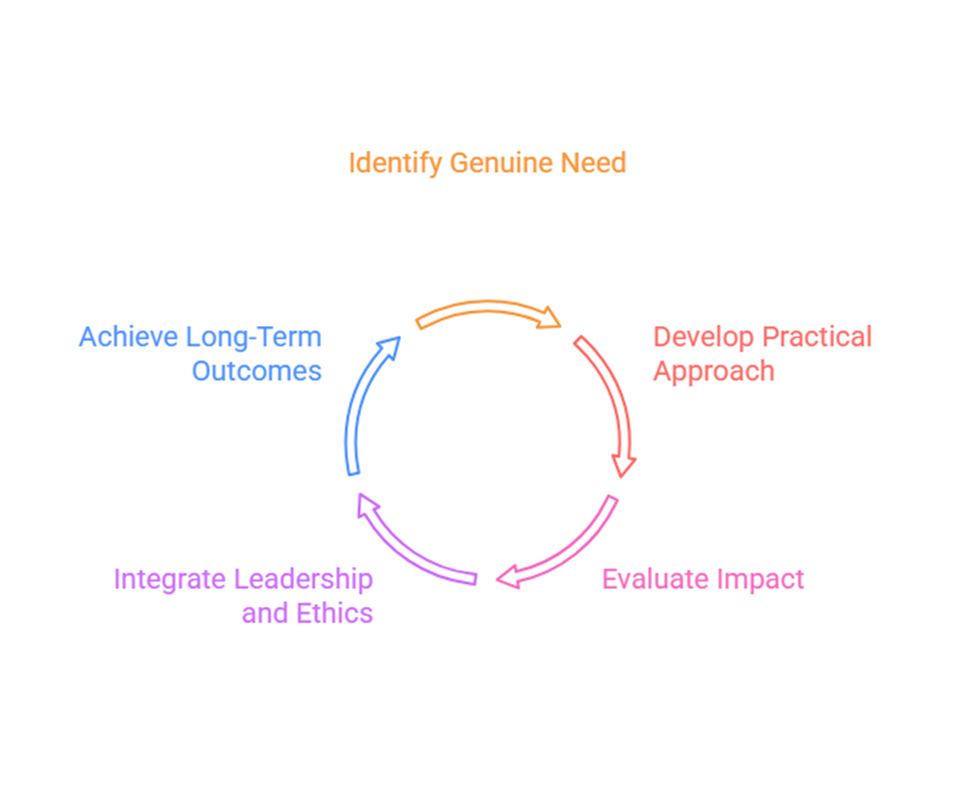
An innovation needs to respond to a genuine need and be considered within the realities of healthcare practice. Professionals need to think about how new approaches affect care, systems, people, and long-term outcomes.
Our Healthcare Awards recognise healthcare innovation as part of a wider framework that includes leadership, care quality, ethics, and long-term impact. This reflects our belief that innovation becomes more meaningful when it contributes to practical progress.
The same principle applies to research and public health. New knowledge can be important, but its wider significance often depends on how effectively it informs practice, improves understanding, or contributes to healthcare systems.
Learning Strengthens Leadership
Healthcare does not remain static.
Knowledge develops. Technologies change. Professional practices evolve. New challenges emerge. Leaders therefore need to remain open to learning throughout their careers.
Learning can happen through formal professional development, practical experience, conversations with peers, research, or exposure to different approaches. Healthcare conferences can contribute to this process by creating spaces where professionals discuss ideas and experiences across disciplines.
Our Healthcare Conference 2026 is positioned around real cases and decisions, cross-disciplinary knowledge exchange, and leadership in context. The emphasis is on connecting professional knowledge with the situations in which healthcare decisions are actually made.
That connection matters because leadership develops through both knowledge and experience.
Recognition Should Reflect the Journey
Meaningful impact does not always appear as one major achievement.
It can develop through years of professional work, consistent decisions, research, innovation, patient-centred care, public health contribution, or efforts to strengthen healthcare systems.
Recognition can help bring attention to that work.
At LoopLynks Events, our recognition platform is designed to acknowledge professional contributions across different fields. Within healthcare, our awards provide a space to recognise individuals and organisations whose work demonstrates leadership, innovation, care quality, and long-term contribution.
Recognition does not define the value of someone's work. Instead, it can provide an opportunity to make meaningful professional journeys more visible.
Turning Expertise Into Impact
Healthcare leaders create meaningful impact when they connect what they know with how they act.
Expertise provides knowledge. Judgment gives it direction. Collaboration expands its reach. Innovation can create new possibilities, while continuous learning allows professionals to adapt as healthcare evolves.
This is the broader understanding of healthcare leadership that we seek to recognise at LoopLynks Events. Our Healthcare Awards acknowledge professionals and organisations whose contributions demonstrate leadership, dedication, innovation, care quality, and influence within healthcare.
Professional conversations also have an important role to play. Healthcare conferences can bring different perspectives together, while medical conferences 2026 can provide opportunities for professionals to engage with evolving knowledge, developments, and experiences within the healthcare field.
Ultimately, meaningful healthcare leadership is not defined simply by expertise or position. It is defined by what professionals do with their knowledge, how responsibly they make decisions, and how their work contributes to people, organisations, and healthcare systems.
Frequently Asked Questions
1. What makes a healthcare leader effective?
An effective healthcare leader combines professional expertise with sound judgment, communication, responsibility, adaptability, and the ability to work with others. Leadership can also involve influencing healthcare systems and contributing to long-term improvement.
2. How can healthcare professionals turn expertise into meaningful impact?
Expertise becomes meaningful when it is applied thoughtfully to real situations. Professionals can use their knowledge to support care, improve processes, contribute to research, develop innovative approaches, guide teams, or address wider healthcare challenges.
3. Why is collaboration important in healthcare leadership?
Healthcare involves multiple professions and areas of expertise. Collaboration allows professionals to bring different perspectives together, exchange knowledge, and consider challenges from more than one point of view.
4. How do healthcare conferences support professional learning?
Healthcare conferences can provide opportunities for professionals to exchange knowledge, discuss real experiences, explore developments, and learn from people working across different areas of healthcare.
5. What do LoopLynks Events' Healthcare Awards recognise?
Our Healthcare Awards recognise contributions across healthcare, including work by hospitals and clinics, doctors, nurses and caregivers, researchers, healthcare startups, and public health professionals. Our framework considers areas such as innovation, care quality, leadership, dedication, and long-term impact.