

Continuous learning helps tomorrow’s leaders stay adaptable, build skills, embrace new ideas, and apply knowledge effectively in changing fields.
Leadership does not stop developing when someone reaches a senior position. In many professions, the responsibilities become more complex as people progress, making continued learning an important part of professional growth. Leaders need to understand changing environments, consider different perspectives, and remain capable of applying knowledge to real situations.
This is particularly relevant in education and healthcare, where professional knowledge is closely connected to practice. At LoopLynks Events, our recognition platforms reflect this connection by recognising professionals and organisations contributing to education, healthcare, leadership, innovation, and development. Our Education Awards focus on work that applies ideas to real educational challenges, while our Healthcare Awards recognise contributions across areas including patient care, healthcare innovation, research, and public health.
For professionals preparing for greater responsibility, educational leadership programs can provide a framework for developing leadership capabilities while remaining connected to the realities of education.
Learning Is Part of Leadership
Leadership is often associated with experience, but experience alone does not guarantee that someone will continue to lead effectively.
Industries change. Expectations change. New challenges emerge. A leader who continues learning is better positioned to question established approaches and consider whether a different response may be needed.
In education, this can involve understanding how institutions operate, how students engage, how communication influences participation, and how strategies can contribute to institutional development. Our Education Awards recognise contributions that include strategic thinking, communication, campaigns, innovation, and leadership that connects vision with execution.
This is where educational leadership programs become relevant. Leadership development is not only about learning theories. It is about applying knowledge to situations where decisions have real consequences.
Knowledge Becomes Valuable Through Application
Learning has limited value if it remains disconnected from practice.
At LoopLynks Events, our Education Awards are built around work that moves education forward through real application. We recognise individuals, teams, and organisations whose work contributes to how institutions operate, how students engage, and how educational systems evolve.
That approach reflects an important principle for future leaders: knowledge becomes meaningful when it can be applied.
A leader may understand a particular concept, but leadership requires knowing when and how to use it. This involves judgment, communication, and an understanding of the circumstances surrounding a decision.
Continuous learning therefore becomes more than professional development. It becomes part of the way leaders approach their responsibilities.
Healthcare Shows Why Learning Cannot Stop
Healthcare provides another clear example of why continued learning matters.
Professionals work within environments where knowledge, treatments, technology, and practices continue to develop. The ability to keep learning is closely connected to the responsibilities involved in healthcare.
Our Healthcare Awards recognise contributions from hospitals and clinics, doctors, nurses and caregivers, researchers and healthcare startups, and public health workers. The evaluation framework considers areas including innovation, care quality, leadership, and long-term impact.
This is also where continuing medical education conferences fit into the wider professional learning landscape. Our Healthcare Awards platform aligns with the broader ecosystem of continuing medical education conferences, medical conferences, and upcoming medical conferences, where professionals exchange knowledge and discuss how healthcare is evolving.
The value of continued learning in such environments lies in connecting knowledge with professional practice.
Leadership Requires the Ability to Adapt
Tomorrow's leaders will not necessarily face the same circumstances as today's leaders.
That does not mean established knowledge becomes irrelevant. It means leaders need to remain open to learning and capable of adapting what they know to new situations.
In education, that could mean responding to changing institutional needs or finding new approaches to engagement. In healthcare, it could involve understanding developments in technology, systems, or professional practice.
Our platforms reflect this emphasis on practical contribution. In education, we focus on measurable impact, strategic thinking, communication, innovation, and leadership aligned with execution. In healthcare, our recognition framework considers vision, dedication, ethical decision-making, consistency under pressure, innovation, and the ability to influence healthcare systems.
These qualities require leaders to keep developing rather than treating learning as something that ends with formal education.
Learning Also Creates Better Conversations
Leadership development does not happen only through individual study.
It can also happen through conversations with other professionals.
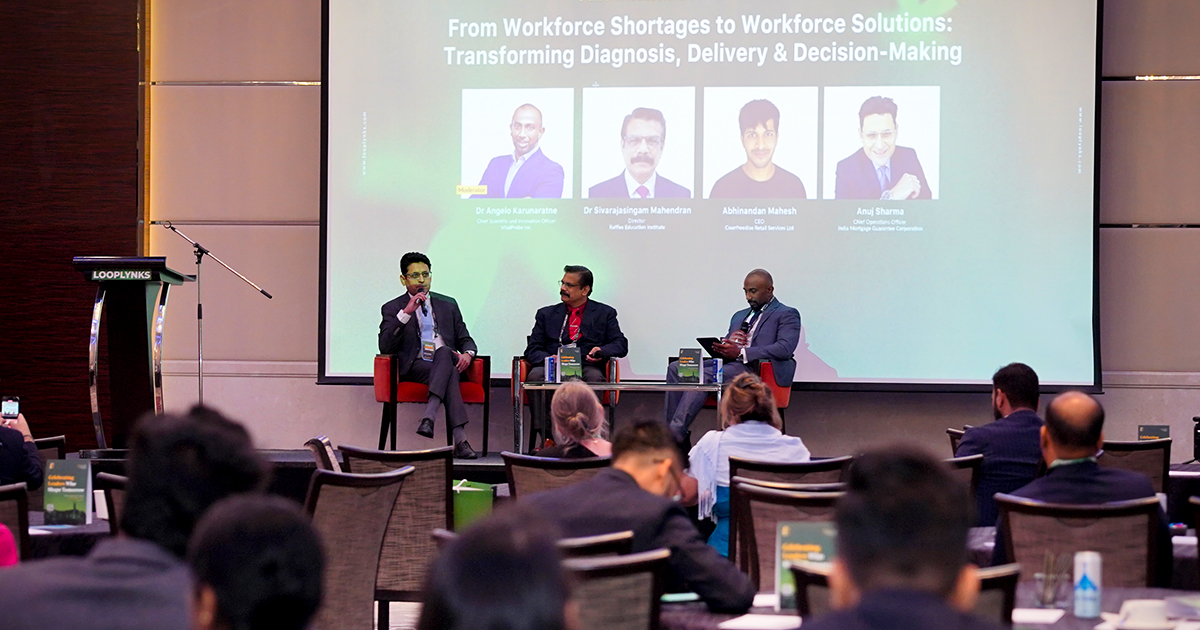
Our Education Conference 2026 creates a space for professionals to connect with leaders, innovators, and strategists across the education ecosystem. The Healthcare Conference 2026 similarly provides an environment where professionals can discuss real cases and decisions, exchange knowledge across disciplines, and explore leadership in context.
These environments can complement educational leadership programs and continuing medical education conferences because professional learning can happen through interaction as well as structured development.
Different professionals bring different experiences. Hearing how others approach challenges can encourage people to reconsider their own assumptions and explore new possibilities.
Recognition Can Reflect the Learning Journey
Recognition is not separate from professional development.
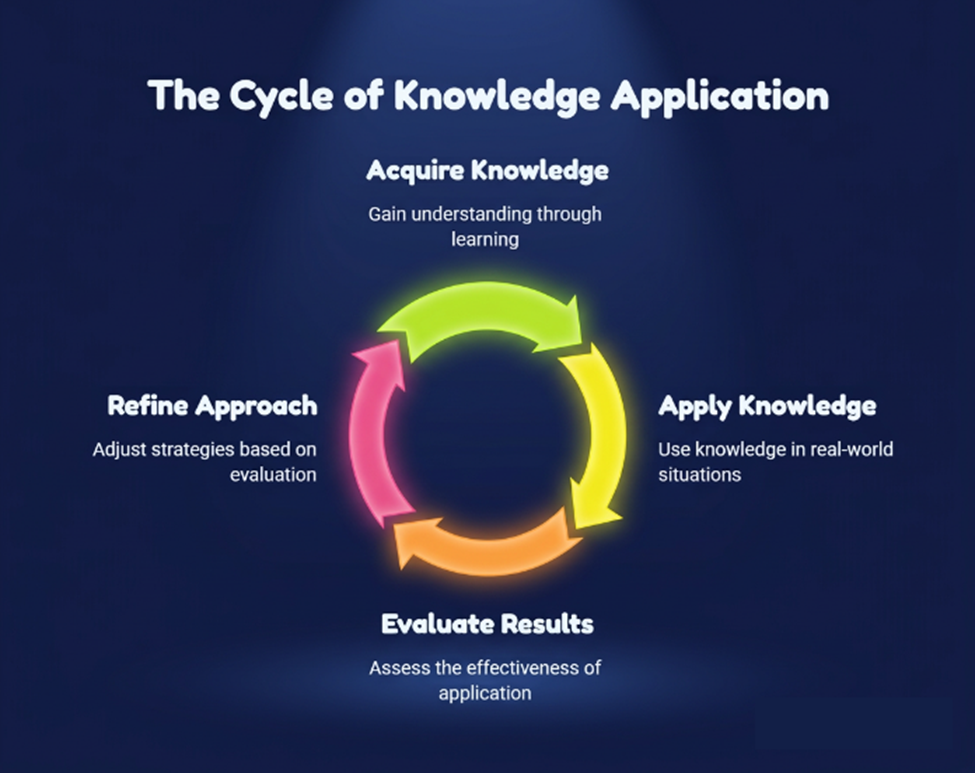
The work that receives recognition often reflects a process of learning, application, refinement, and continued effort.
At LoopLynks Events, our recognition frameworks look beyond simple visibility. In education, we evaluate submissions based on influence, integrity, and innovation, while our healthcare evaluation considers innovation, care quality, leadership, and long-term impact.
This makes recognition part of a larger professional journey. It acknowledges what has been achieved while keeping attention on the contribution behind that achievement.
Preparing for Tomorrow
Tomorrow's leaders will need more than professional experience.
They will need curiosity, adaptability, communication, sound judgment, and the willingness to continue developing their knowledge. These qualities matter across sectors because leadership is shaped by changing circumstances.
At LoopLynks Events, we see continuous learning as closely connected to meaningful professional leadership. Educational leadership programs can help professionals develop and apply leadership capabilities within education, while continuing medical education conferences provide opportunities for healthcare professionals to exchange knowledge and connect learning with practice.
The leaders of tomorrow will not be defined simply by how much they already know. They will also be defined by their willingness to keep learning, question what they know, and apply that knowledge responsibly as their fields continue to evolve.
Frequently Asked Questions
1. Why is continuous learning important for leaders?
Continuous learning helps leaders remain informed, adaptable, and prepared to respond to changing professional environments. It also encourages them to question established approaches and apply knowledge to new situations.
2. What can educational leadership programs help professionals develop?
Educational leadership programs can provide a framework for developing leadership capabilities related to decision-making, communication, strategic thinking, and applying knowledge to real challenges within education.
3. Why is continued learning particularly important in healthcare?
Healthcare professionals work in an environment where knowledge, technology, treatments, and professional practices continue to develop. Continued learning helps connect evolving knowledge with professional responsibilities and practice.
4. What role do continuing medical education conferences play in professional development?
Continuing medical education conferences provide opportunities for healthcare professionals to exchange knowledge, discuss developments, consider real cases and decisions, and learn from professionals across different areas of healthcare.
5. How does continuous learning contribute to effective leadership?
Continuous learning can strengthen a leader's ability to adapt, communicate, evaluate new information, and make informed decisions. It also encourages professionals to remain open to different perspectives rather than relying solely on past experience.