

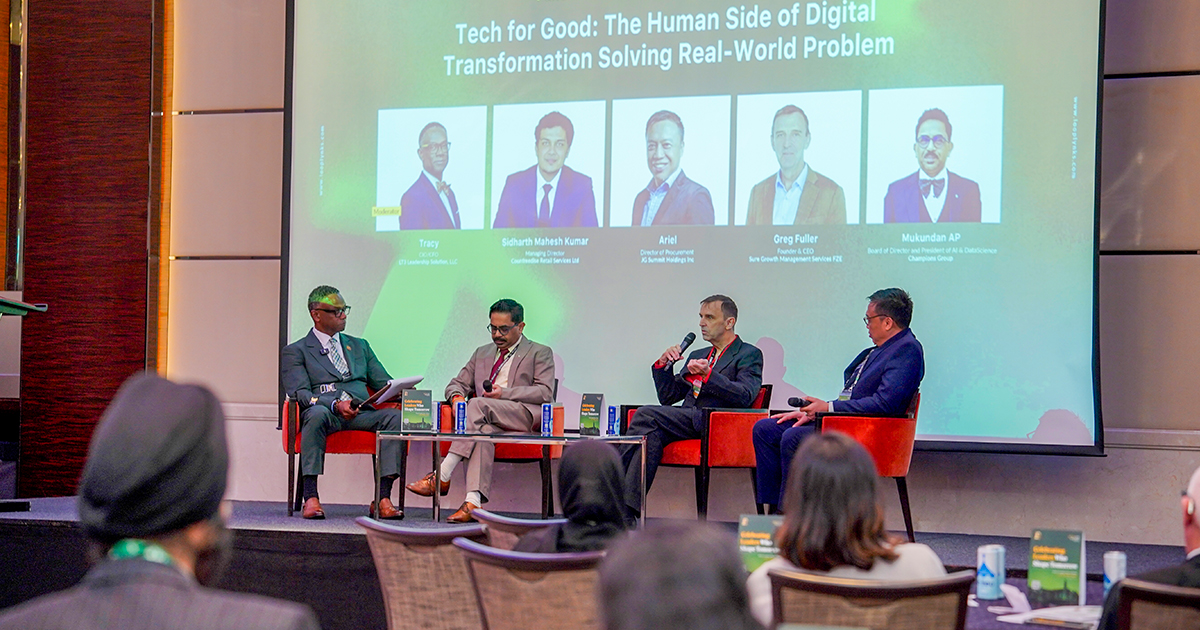
Meaningful social-sector leadership is rooted in purpose, trust, collaboration, listening, responsibility, and creating lasting impact for communities.
Leadership is often discussed through business performance, organisational growth, or financial results. But leadership does not have one definition. In the social sector, the focus can be different. Organisations and professionals working around social causes, community needs, human rights, and public good often operate with a purpose that extends beyond commercial outcomes.
Meaningful leadership in this space requires a clear understanding of purpose, responsibility, people, and impact. It is about making decisions with the wider mission in mind while remaining accountable to the communities and people an organisation seeks to serve.
At LoopLynks Events, we believe recognition should reflect the different ways leadership contributes to society. Our wider global recognition platform brings together professionals and organizations from different industries and areas of work, creating opportunities to acknowledge achievements that deserve a broader audience.
Leadership Starts With Purpose
A leader in the social sector needs to understand why the organisation exists.
Purpose provides direction. It helps leaders make decisions when resources are limited, challenges are complex, and different priorities compete for attention.
This does not mean that every decision will be straightforward. Social organisations can face difficult questions about where to focus their efforts, how to use available resources, and how to maintain the trust of the people they serve.
Leadership becomes meaningful when those decisions remain connected to purpose.
This is one reason leadership events can provide useful spaces for professionals to exchange perspectives. Bringing leaders together can create opportunities to discuss different approaches to responsibility, impact, and organisational development.

Impact Is More Than a Number
Numbers can help measure progress, but they do not always tell the whole story.
A social initiative may affect a community in ways that are not easily captured by a single statistic. A leader may build stronger partnerships, create opportunities for others, or help an organisation develop a more sustainable approach to its work.
These contributions matter.
They also demonstrate why Nonprofit leadership excellence should be understood through more than visibility or scale. Leadership in the social sector can involve building trust, supporting people, creating partnerships, and staying committed to a mission over time.
At LoopLynks Events, our recognition approach is designed to acknowledge professional contributions across different fields. We believe that recognising meaningful work can help bring greater attention to the people behind it.
The Importance of Listening
Leadership does not always mean having the answer.
Sometimes it means knowing when to listen.
Social sector leaders often work with people who have different experiences, priorities, and perspectives. Understanding those experiences can be essential when making decisions that affect communities or social initiatives.
Listening creates room for better conversations.
It can help leaders identify concerns that may not be visible from a distance and understand how decisions are experienced by the people they are intended to support.
This also requires humility. A leader may have authority within an organisation, but meaningful leadership involves recognising that other people can hold knowledge and perspectives that are equally important.
Building Trust Takes Time
Trust is one of the most important foundations of leadership.
It cannot be created through a single announcement or campaign. It develops through consistent actions and responsible decision-making.
For organisations working in the social sector, trust can be particularly important because their work often depends on relationships with communities, partners, professionals, and other stakeholders.
Leaders therefore need to think about the long term.
A decision that creates short-term visibility may not necessarily strengthen an organisation's purpose. Meaningful leadership requires the ability to consider whether actions are consistent with the values and responsibilities of the organisation.
Collaboration Can Strengthen Leadership
Social challenges are rarely solved by one person or one organisation.
They often require collaboration between different groups, professions, communities, and institutions.
A leader's role can therefore include creating connections and encouraging people to work together. This requires communication and the ability to recognise different strengths.
Leadership events can contribute to these conversations by bringing professionals from different backgrounds together. They create opportunities to exchange ideas and consider how different approaches to leadership can address common challenges.
For us, this broader connection is an important part of global recognition. Leadership becomes more meaningful when it creates opportunities for others to participate, contribute, and learn.

Recognition Should Reflect Real Contribution
Recognition is valuable when it acknowledges genuine work.
It should not be reduced to titles or visibility. In the social sector, this distinction is particularly important because meaningful contributions can happen quietly and over long periods.
A leader may spend years developing an organisation, supporting a community, building partnerships, or creating systems that allow others to contribute.
That work deserves to be seen.
Our recognition platform at LoopLynks Events brings together different areas of professional achievement, creating space for leadership and contribution to be acknowledged across industries and sectors.
Recognising Nonprofit leadership excellence can help highlight the people whose work demonstrates responsibility, purpose, collaboration, and commitment to meaningful social contribution.
Leadership That Creates a Wider Impact
Meaningful leadership in the social sector is not defined by one characteristic.
It involves purpose, responsibility, listening, trust, collaboration, and the ability to remain focused on the people and communities connected to the mission.
The strongest leaders understand that their role is not simply to direct an organisation. It is also to create conditions in which other people can contribute, and progress can continue.
That is why recognition can matter.
It gives attention to the people whose work might otherwise remain outside the spotlight. It also creates opportunities for others to learn from different leadership journeys.
At LoopLynks Events, we believe leadership events and global recognition can help create these conversations by connecting professionals across industries and areas of expertise.
Ultimately, Nonprofit leadership excellence is about more than achieving a position or receiving an award. It is about using leadership responsibly, remaining connected to purpose, and creating meaningful value for others. That is the kind of contribution we believe deserves recognition, visibility, and a place within the wider global leadership conversation.
Frequently Asked Questions
1. What does meaningful leadership mean in the social sector?
Meaningful leadership in the social sector involves more than holding a senior position. It can include staying connected to an organisation's purpose, making responsible decisions, listening to communities, building trust, supporting collaboration, and creating meaningful impact.
2. Why is purpose important for social sector leaders?
Purpose provides direction when leaders face difficult choices or competing priorities. It helps ensure that decisions remain connected to the mission and the people an organisation exists to serve.
3. How does collaboration contribute to social sector leadership?
Social challenges often involve multiple communities, organisations, professions, and perspectives. Collaboration allows leaders to bring different strengths together, encourage participation, and develop approaches that consider a wider range of experiences.
4. What does Nonprofit leadership excellence involve?
Nonprofit leadership excellence can involve purpose-driven decision-making, responsibility, trust, communication, collaboration, and sustained commitment to meaningful contribution. It is not defined solely by an individual's position, visibility, or organisational size.
5. How can leadership events support professionals in the social sector?
Leadership events can create opportunities for professionals from different backgrounds to exchange perspectives, discuss leadership challenges, build professional connections, and learn from different approaches to organisational and social impact.
Looplynks Events
Author